A steel roof can look serviceable from ground level and still be failing at laps, fasteners, gutter lines, and cut edges. That is why choosing the best anti corrosion paint systems is not about picking a single coating from a data sheet. It is about matching the full system to the environment, the substrate condition, and the way the structure is actually used.
For facility managers and project teams, the wrong decision usually shows up in predictable ways. Rust returns under the topcoat, blistering starts around moisture traps, and maintenance cycles get shorter instead of longer. A better result comes from treating corrosion control as a system - inspection, surface preparation, primer selection, intermediate build, topcoat performance, and application quality all have to work together.
What makes anti-corrosion systems succeed or fail
Corrosion protection is rarely lost because the topcoat was the wrong color or the brand name was unfamiliar. Most failures come from three issues: poor surface preparation, a system that does not match the exposure conditions, or weak execution during application.
If steel has active rust, salts, failed previous coatings, or sharp edge breakdown, the coating system starts at a disadvantage. Even a high-performance specification will fail early if the substrate is not properly prepared. The opposite is also true. A well-prepared surface with the correct primer and enough dry film thickness can significantly extend service life, even in aggressive conditions.
Exposure also matters more than many buyers expect. A warehouse roof in a dry inland location does not face the same risk profile as a coastal canopy, a process plant structure, or a tank exposed to standing water, condensation, and chemical fumes. The best anti corrosion paint systems always depend on where the steel is installed and what attacks it every day.
Best anti corrosion paint systems by application
There is no single universal system for every structure. The right approach depends on whether you are protecting structural steel, roof sheets, support frames, piping, tanks, or external metal enclosures.
Epoxy primer plus polyurethane topcoat
This remains one of the most reliable systems for exposed steel in commercial and industrial settings. An epoxy primer gives strong adhesion, chemical resistance, and barrier protection. A polyurethane topcoat adds UV resistance and color stability, which matters on roofs, facades, access structures, and outdoor steelwork.
This system works well when steel is exposed to sun, humidity, and periodic washdown. It is often a strong choice for external metal structures that need a balance between long-term protection and presentable appearance. The trade-off is that epoxies can chalk under UV if left uncoated, so the system needs to be completed correctly.
Zinc-rich primer systems
Where corrosion risk is high, especially on blasted steel, zinc-rich primers add galvanic protection. In simple terms, the zinc sacrifices itself to protect the steel beneath. This makes zinc-rich systems a strong option for heavy-duty structural steel, marine-adjacent assets, and facilities where long maintenance intervals are required.
These systems usually work best as part of a multi-layer build, not as a standalone answer. A common specification includes a zinc-rich primer, an epoxy intermediate coat, and a polyurethane topcoat. This gives cathodic protection, barrier build, and weather resistance in one sequence. The downside is that the surface prep standard must be high, and application control matters. If the contractor cuts corners, the performance benefit drops quickly.
High-build epoxy systems
For internal steel, sheltered process areas, tanks, and surfaces that need high film build and chemical resistance, high-build epoxy systems are often the practical answer. They form a dense protective barrier and can perform well in aggressive service conditions.
However, they are not ideal for every exposed exterior area unless they are topcoated for UV stability. If appearance is secondary and the environment is controlled, they can be highly effective. If the steel sees strong sunlight and weathering, they need the right finishing layer.
Moisture-cured urethane systems
These are useful where shutdown windows are short or where ambient conditions make standard curing difficult. Moisture-cured systems can tolerate less-than-perfect conditions better than some conventional options and are often selected for maintenance painting on operational sites.
That does not mean they solve every problem. Surface preparation still matters, and compatibility with existing coatings has to be checked carefully. But for fast-turnaround maintenance work, they can be a very practical tool.
How to choose the best anti corrosion paint systems
The correct specification starts with inspection, not product preference. Steel condition needs to be assessed closely - not just visible rust, but coating adhesion, moisture exposure, drainage issues, joint condition, fastener corrosion, and whether water is getting trapped anywhere.
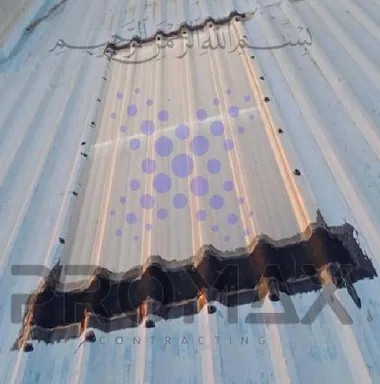
A roof structure with widespread fastener rust and failed lap sealant may need more than recoating. If movement, leaks, or sheet deterioration are present, coating alone will not deliver a durable result. In that case, rust treatment may need to be combined with screw replacement, sheet repairs, gutter correction, or waterproofing works. This is where many maintenance plans fail. They treat corrosion as a paint issue when it is really a building envelope issue.
For procurement and engineering teams, the key questions are straightforward. What is the surface condition today? What is the exposure category? How long does the asset need to perform before major maintenance? Can the area be abrasive blasted, or is power-tool cleaning the only realistic option? Is the steel new, weathered, previously coated, or already pitted?
The answers shape the system. A high-spec coating applied over unstable old paint is not a high-spec result. A lower-complexity system applied correctly over well-prepared steel may outperform an expensive specification that was badly executed.
Surface preparation is where service life is won
If there is one part of the process that deserves close attention, it is surface preparation. This is especially true on roofs, pipe supports, ladders, access frames, equipment bases, and coastal steel where corrosion often starts in crevices and edges.
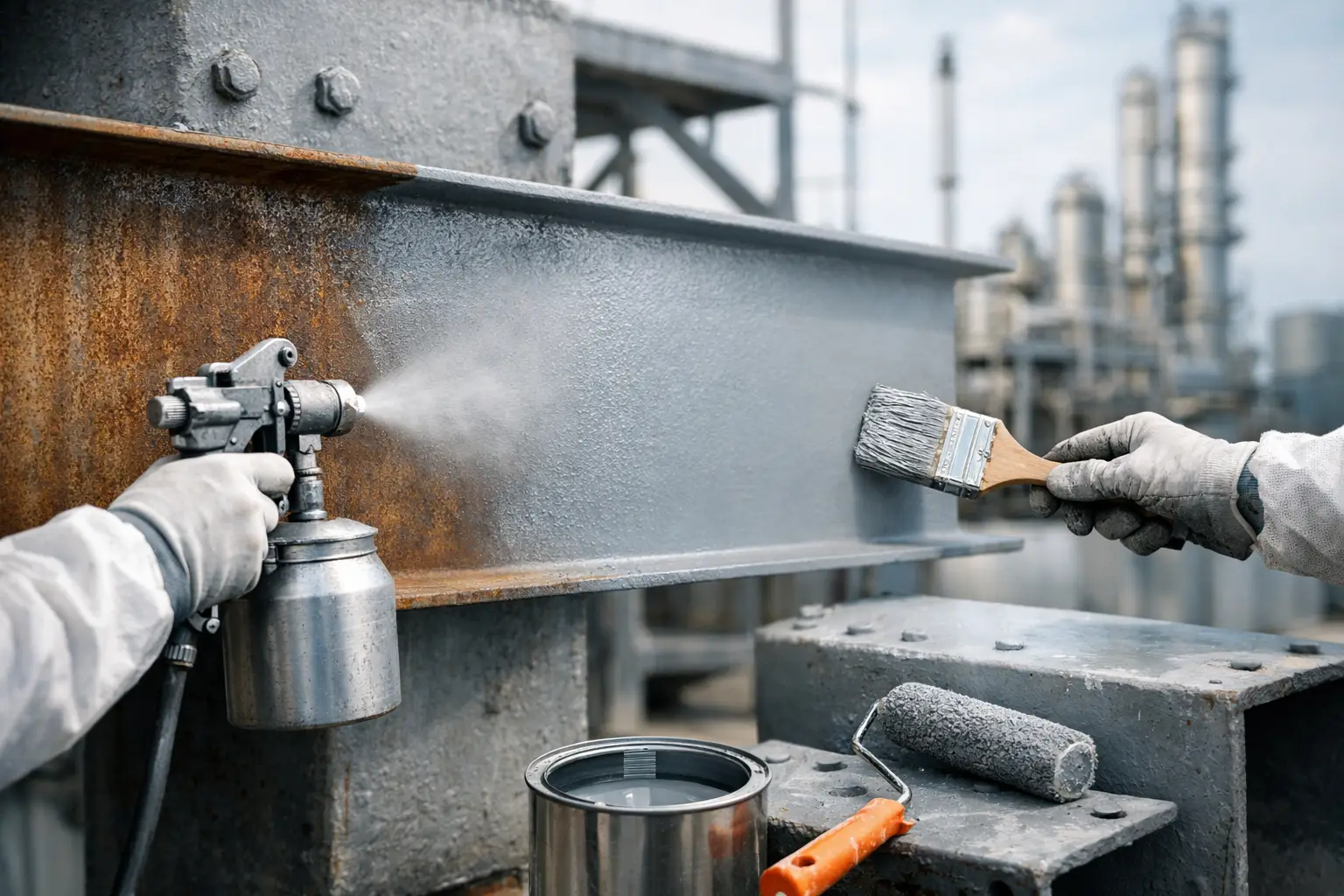
A proper assessment should identify failed coating areas, contamination, grease, moisture retention zones, and metal loss. Depending on the project, preparation may include abrasive blasting, mechanical cleaning, power-tool preparation, feathering of sound existing coatings, and treatment of edges and welds. Dust removal and cleanliness checks are not optional details. They directly affect adhesion.
Dry film thickness matters too. Many coating failures happen because the specified system was never actually achieved on site. Thin spots on edges, bolts, and profiles become early failure points. Professional application requires measured film build, not visual assumptions.
Why environment changes the specification
In hot, humid, and saline conditions, coating systems are under constant stress. This is why structures in Gulf coastal environments often need more than a standard decorative metal paint. Roofs, canopies, tanks, and external steelwork can face UV, wind-driven moisture, airborne chlorides, and thermal movement all at once.
That combination changes what "best" means. UV resistance becomes more important on exposed topcoats. Adhesion becomes more critical where metal expands and contracts. Corrosion creep at scratches and cut edges becomes a serious issue. Systems with stronger primers, better edge retention, and enough total film build usually justify their cost in these environments.
For many industrial assets in Dubai, Abu Dhabi, Sharjah, and other exposed locations, the most effective recommendation is not the cheapest coating schedule. It is the one that fits the real exposure level and can be applied correctly within site constraints.
Common mistakes that shorten coating life
One common mistake is painting over active leaks or trapped moisture. If water is still entering through roof laps, penetrations, or failed gutters, corrosion will continue under the new coating. Another is assuming all rusted steel can be saved with the same treatment. Light oxidation and deep section loss are not the same condition and should not be priced or repaired the same way.
A third mistake is separating corrosion work from related repairs. If fasteners are failing, sealants are split, or drainage is poor, the coating system is being asked to compensate for mechanical defects. It cannot do that for long. The strongest maintenance programs combine coating work with the corrective repairs needed to remove the source of deterioration.
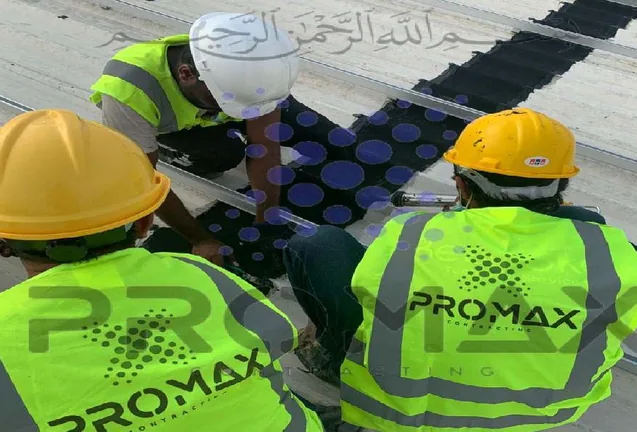
This is where experienced contractors add real value. Promax Contracting approaches metal surface restoration as a field execution problem, not just a paint supply item. Inspection, repair scope, preparation method, coating sequence, and after-service response all need to align if the client wants durable performance instead of repeat breakdowns.
What buyers should ask before approving a system
Before approving any proposal, ask what preparation standard will be achieved, what dry film thickness is being specified, how edges and fasteners will be treated, and whether the recommended system matches the actual exposure conditions. Ask whether compatible repair works are included if leaks, failed fixings, or damaged sections are found.
Also ask how the work will be controlled during application. Weather conditions, curing windows, access limitations, and shutdown restrictions all affect quality. A realistic, well-executed specification will usually outperform an ambitious one that ignores site realities.
The best anti corrosion paint systems are the ones that keep steel in service longer with fewer emergency repairs. That usually comes from disciplined inspection, correct preparation, and a coating build that matches the environment instead of fighting it. If the steel matters to operations, treat the system selection like an asset protection decision, not a paint purchase.
Talk to Promax
Need this on your roof? Call +971 56 727 4205 or request a free inspection. Promax provides EPDM metal-roof, concrete and industrial waterproofing across Dubai and the UAE with up to a 15-year warranty.