When a warehouse roof starts leaking over inventory, equipment, or production lines, the question is not just how to stop water today. The bigger issue is which system will still perform after years of heat, movement, drainage stress, and repeated maintenance traffic. That is where the EPDM vs bitumen waterproofing discussion becomes practical, not theoretical.
For industrial and commercial buildings, both systems are widely used, but they behave very differently in the field. The right choice depends on roof condition, substrate, exposure, access requirements, and how much disruption your operation can tolerate during installation and future repair work.
EPDM vs bitumen waterproofing: the core difference
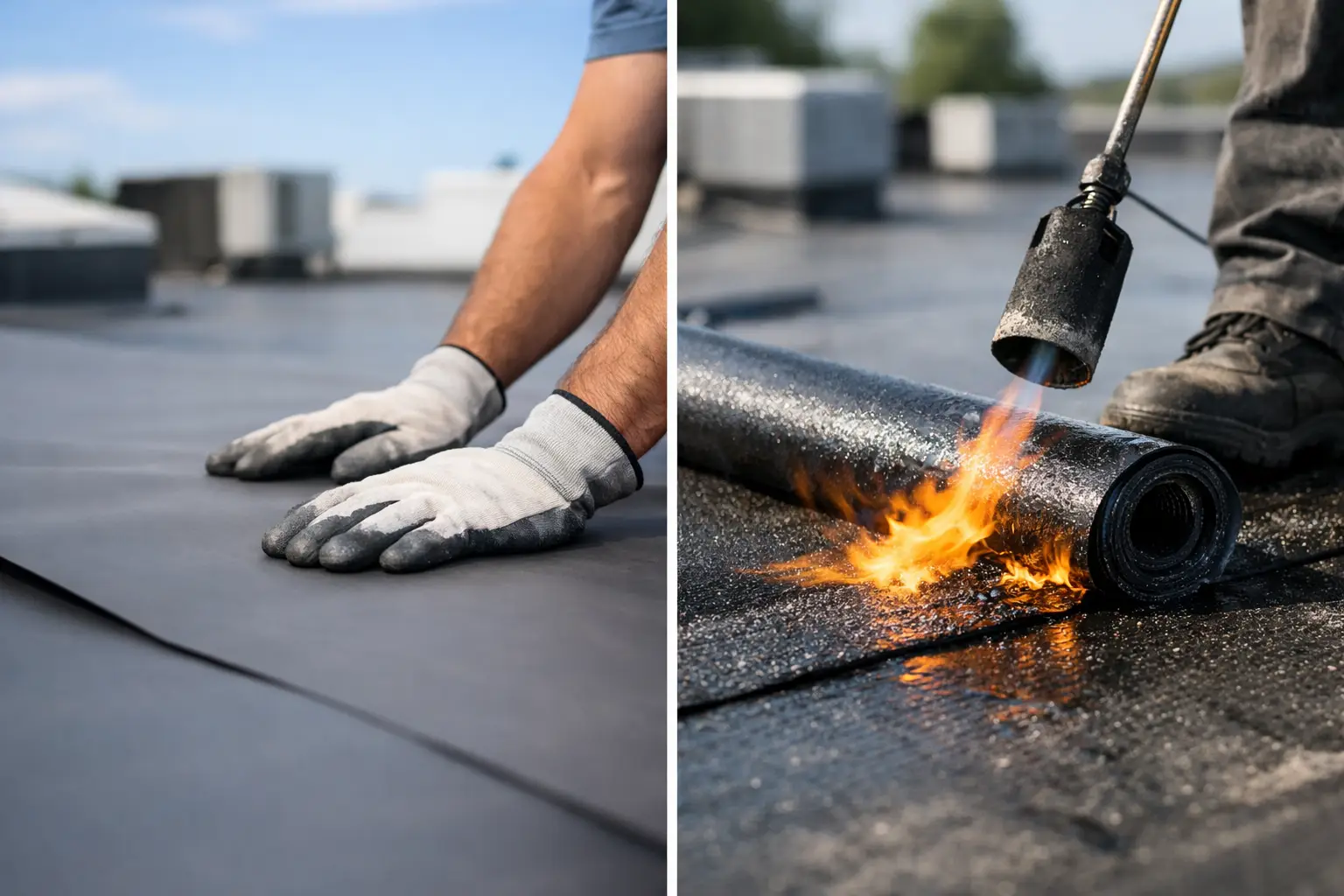
EPDM is a synthetic rubber membrane designed to provide flexible, continuous waterproofing over roofs and other exposed surfaces. It is known for elasticity, weather resistance, and the ability to handle structural movement without cracking. On large roof areas, that flexibility matters because thermal expansion, vibration, and substrate movement are constant.
Bitumen waterproofing is typically based on asphalt-modified membrane systems, often applied in torch-applied, self-adhesive, or liquid-supported configurations. It has been used for decades and remains common on concrete roofs, podiums, and lower-slope surfaces where layered membrane build-ups are preferred.
On paper, both can stop water ingress. On site, the difference usually comes down to long-term behavior under heat, UV, ponding risk, joints, penetrations, and ease of maintenance.
Where EPDM performs better
EPDM is often the stronger option when a building needs long-span membrane coverage with fewer vulnerable joints. On large industrial roofs, seams are always the first area to inspect because every lap creates a potential failure point over time. EPDM systems can reduce seam frequency compared with many traditional bitumen layouts, which is a major advantage on sheds, warehouses, factories, and utility buildings.
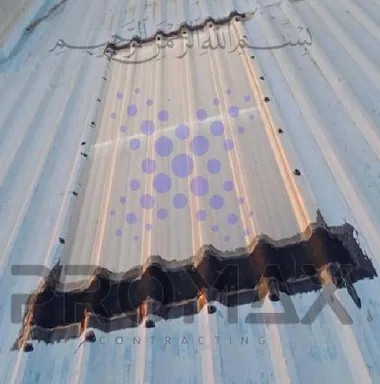
Heat exposure is another major factor. In hot climates, roofing systems are under daily thermal cycling. Materials expand during the day, contract at night, and repeat that movement year-round. EPDM handles that movement well because it remains flexible rather than becoming brittle. That helps on metal roofs, mixed substrates, and roof areas with mechanical penetrations, upstands, and service access.
Repairs are also more controlled when the system is installed correctly. If there is localized damage around a pipe penetration, flashing detail, or mechanical installation, repair crews can usually isolate the affected area and restore the membrane without dismantling large sections. For facilities that cannot afford prolonged shutdowns, that matters.
EPDM is especially effective where waterproofing is part of a broader roof rehabilitation scope. If a building also needs screw treatment, gutter correction, skylight sealing, or metal surface restoration, an EPDM-based system can integrate well into a full envelope repair strategy instead of acting as a short-term patch.
Where bitumen still makes sense
Bitumen is not obsolete, and it is not wrong by default. It still has value, especially on concrete surfaces where multi-layer membrane systems are already in place or where the project budget is tightly controlled and the building owner accepts a more maintenance-driven lifecycle.
Some contractors and consultants prefer bitumen because it is familiar, widely available, and suitable for built-up applications with reinforcement layers. On smaller roofs or low-exposure areas, it can deliver acceptable performance when detailing, drainage, and workmanship are all handled properly.
Bitumen can also be appropriate when tie-ins to an existing bituminous system are required and a full conversion to another membrane is not practical. In those cases, compatibility and phased repair planning can justify staying within the same material family.
The trade-off is that bitumen systems generally involve more laps, more heat-sensitive installation considerations in some methods, and greater risk of aging issues under severe UV and temperature stress. Not every site will experience those limitations equally, but they need to be considered before selecting the lower upfront cost option.
Lifespan, maintenance, and failure patterns
The real cost of waterproofing is rarely the purchase price alone. It is the combined cost of installation, access, disruption, repairs, leak investigation, damaged assets, and early replacement.
EPDM generally offers a longer service life when installed over a properly prepared substrate with correct detailing at drains, parapets, penetrations, and edge conditions. It resists cracking and remains serviceable under movement, which reduces the frequency of recurring leak points. In practical terms, this means fewer emergency callouts and more predictable maintenance planning.
Bitumen systems can perform well, but failure patterns tend to appear around laps, blistering zones, aged surfaces, and exposed detailing where repeated expansion and contraction have taken a toll. On roofs with ponding, neglected drainage, or poor previous repairs, those weaknesses show up faster.
Maintenance teams should also think about leak tracing. A membrane that is easier to inspect, patch, and detail correctly saves money over the life of the building. Waterproofing should support operations, not create a repeating maintenance cycle every rainy season.
Installation conditions and project risk
The EPDM vs bitumen waterproofing decision should also factor in installation risk. On active commercial and industrial sites, safety, fire exposure, access, and scheduling are often more important than product brochures.
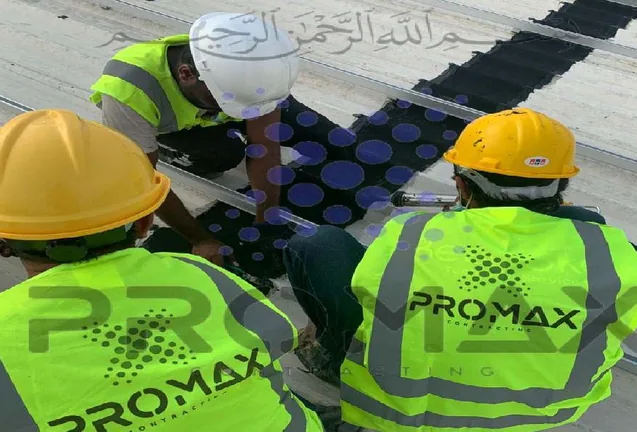
EPDM installation can be a cleaner solution on many occupied sites because it avoids some of the heat-based application issues associated with torch-on systems. That reduces certain operational risks, particularly around sensitive equipment, stocked materials, and facilities with strict permit controls.
Bitumen installation methods vary, and some are perfectly manageable with the right procedures. But the project team needs to evaluate the actual roof environment, not just the specification sheet. If the roof has difficult access, multiple penetrations, old corroded metal, or surrounding operations that cannot pause, the installation method matters as much as the membrane.
This is why inspection should come before recommendation. A sound waterproofing decision starts with substrate review, drainage assessment, rust evaluation, movement points, previous repair history, and likely failure zones. Without that, the material choice is just guesswork.
Cost: upfront price vs operating value
If the question is only which system is cheaper to buy, bitumen often appears attractive. Initial material and installation costs may be lower depending on system type, roof condition, and labor market. For some projects, especially temporary holding solutions or low-priority structures, that may be enough to drive the decision.
But most industrial property owners are not buying membrane alone. They are buying service life, response time, reduced leakage risk, and fewer interruptions to business operations. In that context, EPDM often delivers better operating value.
A roof leak over racking, electrical lines, chilled storage, or production equipment can cost far more than the difference between two waterproofing specifications. When viewed across years rather than weeks, a durable membrane with fewer recurrent repair points usually wins.
How to choose the right system for your building
For warehouses, factories, and large commercial roofs exposed to high heat and constant movement, EPDM is often the better long-term specification. It is particularly strong where the project calls for broad-area membrane coverage, high flexibility, and dependable detailing around penetrations and transitions.
For concrete roofs with existing bituminous layers, limited budgets, or phased restoration plans, bitumen may still be a workable solution if the roof is assessed properly and the owner accepts the likely maintenance profile.
The key is to match the system to the building, not the other way around. A membrane that performs well on a small roof extension may not be the best answer for a large industrial deck with thermal stress, drainage defects, and multiple service penetrations.
At Promax Contracting, this is why waterproofing recommendations are tied to site inspection, technical review, and execution planning rather than generic package pricing. The membrane matters, but substrate condition, detailing quality, fabrication support, and after-sales response are what determine whether the system actually holds.
Final decision: performance first
If you are comparing EPDM vs bitumen waterproofing for an industrial or commercial property, start with one question: do you want the lowest entry cost, or the system most likely to reduce future leakage and maintenance risk? For many high-exposure roofs, EPDM earns attention because it is built for movement, heat, and long-term service.
The better choice is the one that fits your roof condition, operating risk, and maintenance strategy. A good waterproofing system should not just pass the next rain. It should keep your building working the way it is supposed to.
Talk to Promax
Need this on your roof? Call +971 56 727 4205 or request a free inspection. Promax provides EPDM metal-roof, concrete and industrial waterproofing across Dubai and the UAE with up to a 15-year warranty.