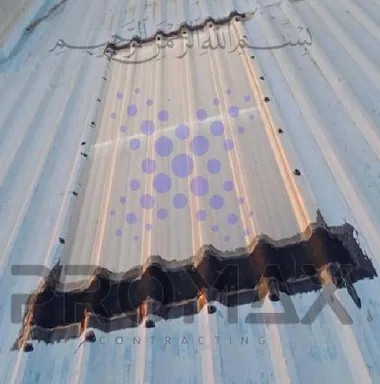
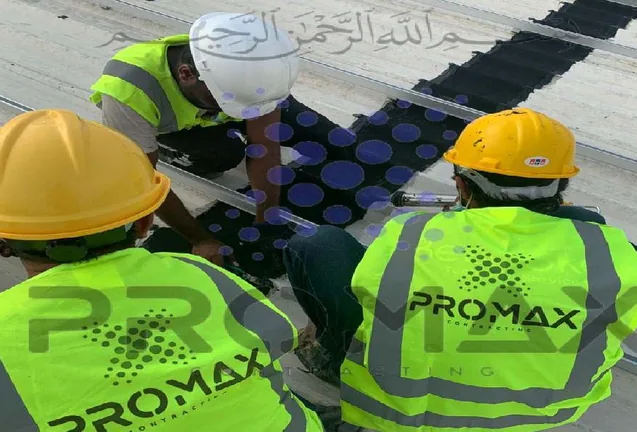
A roof can look sound from ground level while hundreds of loose, rusted, or failed fasteners are allowing water beneath the metal sheets. Knowing how to replace roof fasteners correctly is not simply a matter of removing an old screw and fitting a new one. On a commercial roof, each fastener must secure the panel, compress its sealing washer correctly, and avoid creating a larger opening in the roof system.
For warehouses, factories, storage facilities, and large sheds, fastener failure is often an early warning of broader roof deterioration. Acting before staining, insulation damage, corrosion, or operational disruption appears is usually the most cost-effective approach.
Why roof fasteners fail
Metal roof fasteners work under constant movement. Daily heating and cooling cause roof sheets to expand and contract, gradually reducing the grip of screws in purlins or support members. Strong winds can increase that movement. Over time, the neoprene or EPDM washer hardens, cracks, flattens, or separates from the screw head.
Corrosion is another frequent cause. On exposed roofs, moisture, airborne salts, industrial contaminants, and incompatible metals can corrode the screw shaft or the panel around it. A screw may appear intact from above but have little holding power below the sheet. If the fastener is stripped, overtightened, or installed off-center, water can pass through the hole even before visible rust develops.
The right repair depends on the cause. Replacing a few aged washers is different from correcting widespread fastener pull-out, corroded roof sheets, or deteriorated purlins. A site inspection should establish whether the issue is isolated or system-wide before crews begin work.
How to replace roof fasteners safely and correctly
Fastener replacement should be planned as a controlled roof maintenance activity, not a quick patch performed during a leak event. The roof must be safe to access, dry enough for inspection, and free of immediate hazards such as fragile skylights, unsupported panels, live services, or weak structural areas.
Start with a roof survey and marking plan
Inspect the entire roof area, not only the points where water has entered the building. Mark loose screws, missing screws, tilted fasteners, rusted heads, damaged washers, enlarged holes, lifted sheet laps, and areas of panel corrosion. Check ridge caps, eaves, gutters, flashing transitions, pipe penetrations, and skylight curbs because fastener-related leaks often migrate before becoming visible indoors.
For large facilities, divide the roof into grids and record the condition of each zone. This helps maintenance teams identify patterns. A concentrated cluster of failed fasteners may indicate a localized structural problem, while failures across the roof may point to the age of the original installation, poor screw specification, or thermal movement.
Select a compatible replacement fastener
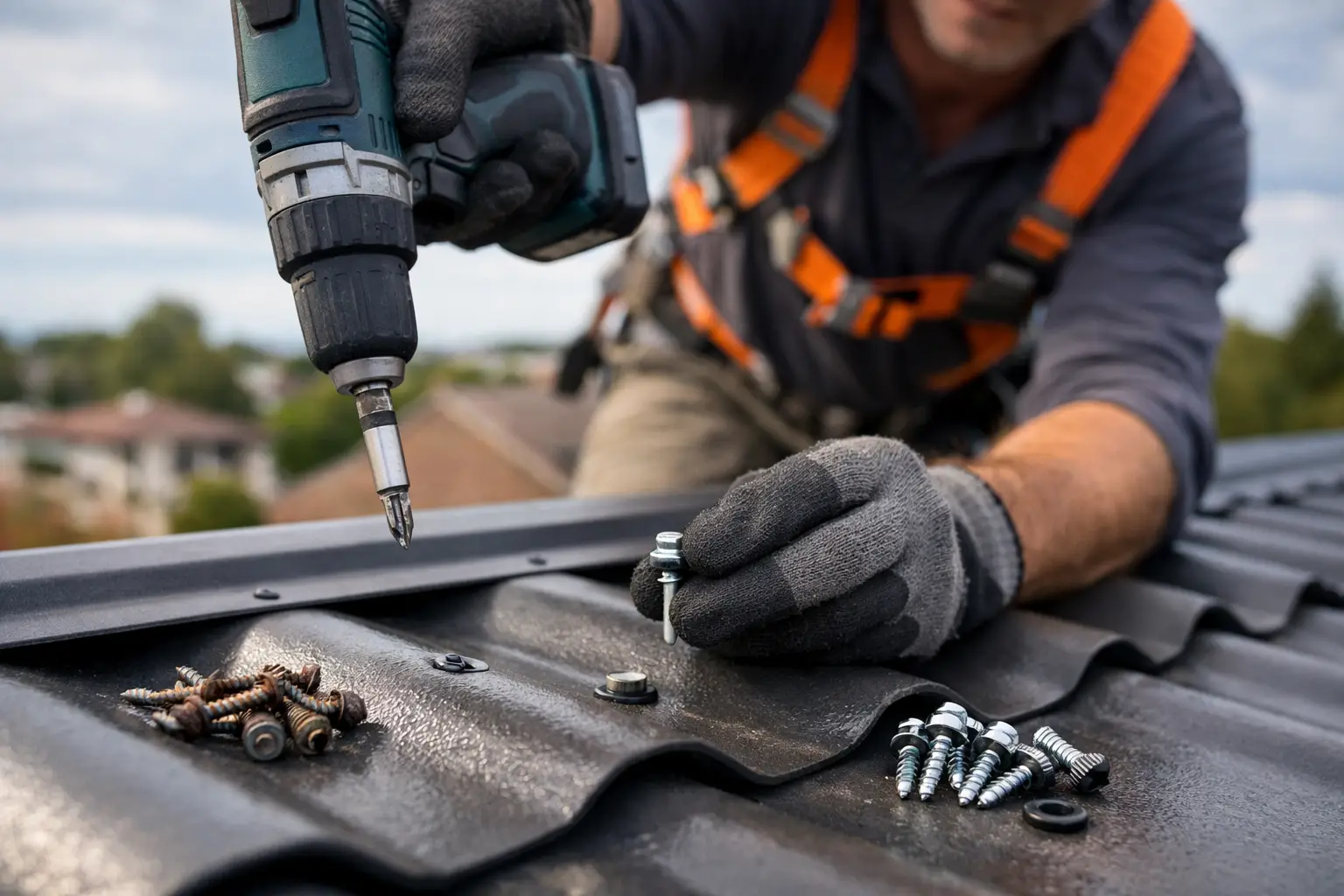
Do not assume that a larger screw is automatically the correct repair. The replacement must suit the roof panel profile, thickness of the sheet, support material, required embedment depth, and exposure conditions. For most commercial metal roofs, this means using a self-drilling or self-tapping roofing fastener with a corrosion-resistant finish and a bonded EPDM sealing washer.
The washer is as important as the screw. It must be sized to cover the existing hole and form an even seal when compressed. A washer that is too small may not cover an enlarged opening. One that is overcompressed can split and fail prematurely. Where the original hole is stripped or oversized, an engineered oversized fastener may be appropriate, provided it achieves reliable engagement with the structural support below.
Material compatibility matters. Using dissimilar metals can accelerate galvanic corrosion, especially in coastal or high-humidity conditions. The chosen screw, washer, roof sheet, and any local repair coating should work as one system.
Remove failed screws without damaging the sheet
Use a properly sized driver bit and keep the tool aligned with the screw axis. A slipping bit damages the screw head and surrounding coating, creating a future corrosion point. If the screw turns freely without backing out, it may be stripped in the support member. If it is severely corroded or seized, avoid excessive force that can deform the sheet or tear the panel opening.
After removal, inspect the hole closely. Clean loose rust, debris, and failed washer material from the surface. If corrosion has spread under the coating, treat the affected metal before installing the new fastener. Simply covering active rust with a new washer does not stop deterioration beneath the roof sheet.
Install the new fastener at the correct torque
Place the screw perpendicular to the roof panel and drive it steadily. The washer should compress evenly around its full circumference. It should not bulge outward, split, spin, or remain visibly loose. A crooked screw leaves one side of the washer unsealed, while an overtightened screw damages the washer and can distort the metal panel.
The goal is a weather-tight seal with secure structural engagement, not maximum tightening force. Torque-controlled tools are particularly useful when replacing large numbers of fasteners because they produce more consistent installation quality across the roof.
Where a hole is too damaged to accept a reliable replacement screw, do not force a repair. The panel may require local reinforcement, sealing treatment, or partial replacement depending on its profile, location, and structural condition.
Seal and protect the repaired areas
A correctly installed fastener with a sound EPDM washer does not always need additional sealant. In fact, applying random sealant over every screw head can conceal poor workmanship and make future inspection difficult. Sealant is best used where the roof design, enlarged holes, flashing details, or approved repair system requires it.
For roofs with repeated screw-point leakage, a broader waterproofing treatment may be more durable than isolated fastener replacement. This can include cleaning and rust treatment, screw-head preparation, reinforcement at vulnerable details, and installation of a compatible membrane system over designated roof areas. The correct scope depends on the roof's condition, drainage performance, and expected service life.
In high-heat regions such as Dubai and across the UAE, roof coatings, washers, and sealants must tolerate intense ultraviolet exposure and large temperature swings. Low-grade materials can become brittle quickly, turning a recent repair into another callout within a short period.
Quality checks that prevent repeat leaks
Before closing the maintenance work, inspect every replaced fastener from close range. Check that screw heads are aligned, washers are evenly compressed, panels remain flat, and no metal shavings or debris have been left on the roof. Shavings can rust rapidly and stain or damage protective coatings.
A controlled water test can help verify suspect areas, particularly around roof laps, flashing, and penetrations. Do not use high-pressure water indiscriminately, as it can force water into details that would not fail under normal rainfall. The test should follow the roof slope and simulate realistic drainage conditions.
Photographing the completed work and recording fastener type, quantity, repair locations, and any unresolved roof defects gives facility managers a practical maintenance record. It also makes the next inspection faster and helps identify whether the roof is stabilizing or continuing to deteriorate.
When fastener replacement is not enough
Replacing fasteners will not solve leaks caused by failed sheet laps, damaged flashing, blocked gutters, deteriorated skylight seals, structural movement, or corrosion through the roof panel. It also cannot restore a roof where purlins have lost thickness or where fasteners no longer have sound material to grip.
Call for a professional assessment when fasteners are failing across broad areas, panels are visibly lifting, rust is present around many screw points, leaks continue after replacement, or roof access requires formal safety controls. A contractor experienced in roof rehabilitation can determine whether targeted screw replacement, localized metal repair, waterproofing, or a phased restoration program provides the better long-term result.
For urgent commercial roof issues, speed matters, but accuracy matters more. Replacing the right fastener with the right washer, at the right torque, protects the roof system instead of adding another weak point. A disciplined inspection and repair program keeps small screw-point failures from becoming costly water damage inside an operating facility.
Talk to Promax
Need this on your roof? Call +971 56 727 4205 or request a free inspection. Promax provides EPDM metal-roof, concrete and industrial waterproofing across Dubai and the UAE with up to a 15-year warranty.